
CS Operations: Breaking Out of Silos
Marcus stared at his screen, watching another deal slip through the cracks. TechFlow Industries, their $45,000 annual client, had been asking about advanced analytics features for three months. The CS team knew they were expansion-ready, but Sales was chasing new prospects instead of nurturing existing accounts. Meanwhile, Product had no idea this feature was driving real revenue conversations.
Two hours later, Marcus got the email: TechFlow had signed with a competitor who offered exactly what they'd been requesting. Another $30,000 upsell opportunity lost to organizational silos.
The next morning brought more frustration. Sarah from Marketing asked why customer advocacy was so low this quarter, unaware that CS had identified 12 potential advocates but had no process to connect them to Marketing's referral program. Support was drowning in tickets that CS could have prevented if they'd shared customer health insights proactively.
CS Ops leaders, sound familiar?
The Silo Problem Killing Your Growth
Customer Success Operations sitting in isolation isn't just inefficient, it's expensive. Every disconnected department represents missed revenue, frustrated customers, and wasted resources. Your CS team holds the keys to expansion, retention, and customer intelligence, but organizational silos lock that value away from the teams that need it most.
The cost is measurable. Companies with integrated CS Operations see 34% faster expansion revenue and 28% higher customer satisfaction scores. The difference isn't better customers or luck, it's operational integration.
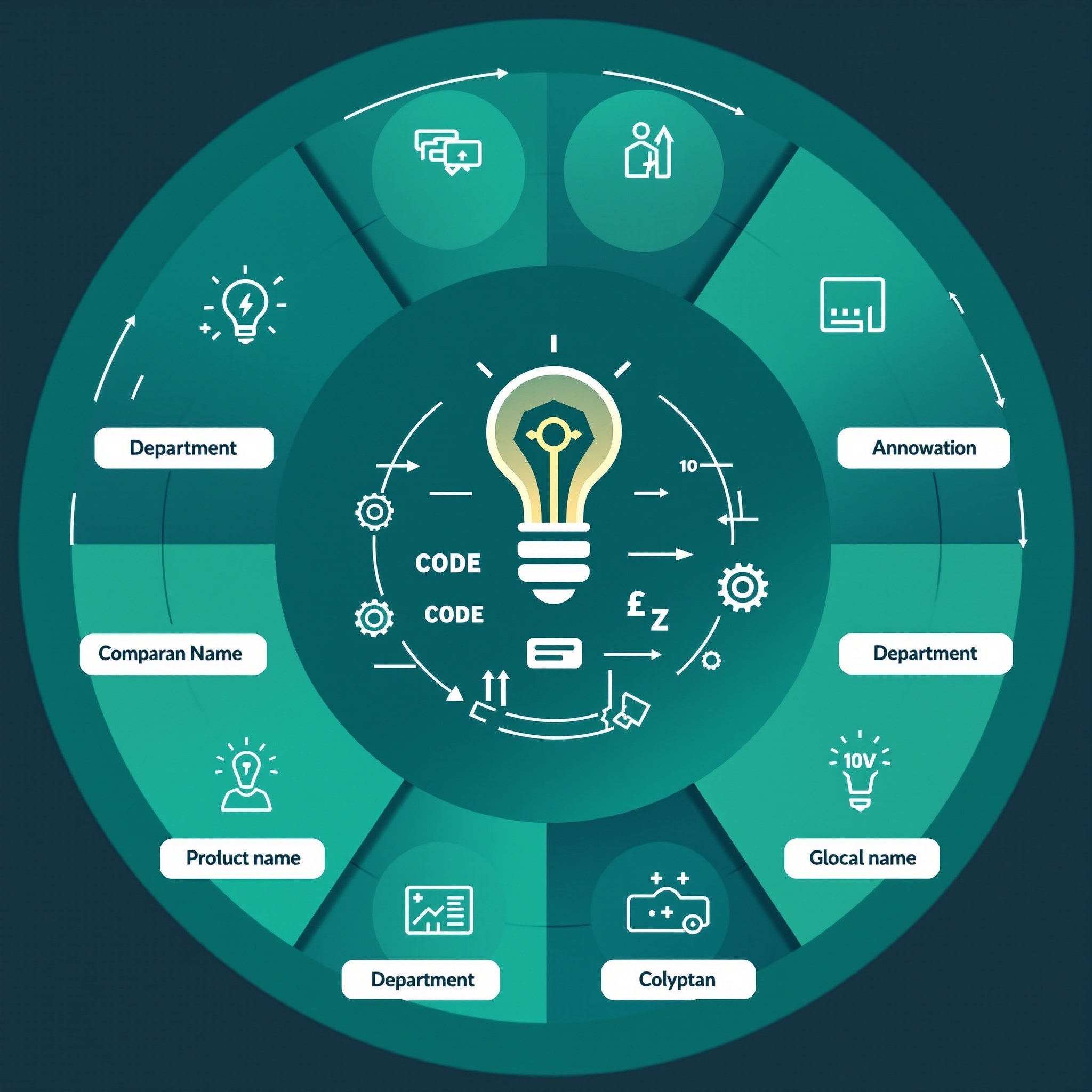
The Cross-Department Value Engine
 Sales
Sales
Sales Integration: Expansion Acceleration
Impact Metrics:
• Upsell cycle time: Reduced from 90 days to 35 days
• Expansion close rate: Increased from 18% to 42%
• Revenue per expansion: Average $28,500 per deal
• Annual impact: Additional $850,000 in expansion ARR
When CS Operations feeds real-time customer health and usage data directly to Sales, expansion conversations start from intelligence, not cold outreach. Sales knows which accounts are primed, what features they're missing, and exactly when to strike.
 Marketing
Marketing Partnership: Customer Advocacy Engine
Advocacy Metrics:
• Customer advocates identified: 45 per quarter
• Referral conversion rate: 65% from advocate referrals
• Case study participation: 22 customers annually
• Marketing qualified leads from advocacy: 180 per year
• Value of advocacy pipeline: $2.1 million annually
CS Operations doesn't just manage customers, it identifies your biggest fans. When integrated with Marketing, these advocates become your most powerful acquisition channel, generating higher-quality leads with 3.2x faster close rates than traditional marketing channels.
 Product
Product Collaboration: Feature Development Intelligence
Product Impact:
• Feature requests tracked and prioritized: 240 per quarter
• Churn reduction from addressing top requests: 15%
• Adoption rate of customer-requested features: 78%
• Revenue protected through product improvements: $650,000 annually
• Time to market improvement: 25% faster releases
Product teams building in isolation create features customers don't want. CS Operations connected to Product ensures development resources focus on features that drive retention, expansion, and satisfaction. Every feature request becomes product intelligence, every churn reason becomes a development priority.
 Support
Support Integration: Proactive Issue Prevention
Support Efficiency:
• Preventable tickets identified: 1,200 per month
• Support ticket reduction: 35%
• Average resolution time improvement: 40% faster
• Support cost savings: $180,000 annually
• Customer satisfaction increase: 28% improvement
Reactive support is expensive support. When CS Operations shares customer health trends and usage patterns with Support, issues get prevented instead of fixed. Support transforms from firefighting to customer experience optimization.
How to Build Cross-Functional CS Operations
- Establish weekly cross-department sync meetings with clear agenda and action items
- Create shared dashboards showing customer health, expansion opportunities, and risk indicators
- Implement customer data flows that automatically surface insights to relevant teams
- Design handoff processes for customer advocacy, expansion leads, and product feedback
- Set up joint KPIs that reward collaboration over individual department metrics
- Build customer journey mapping sessions including all touchpoint departments
The Integration Framework
- Start with data: Connect your CS platform to CRM, marketing automation, and product analytics
- Define touchpoint protocols: When does CS hand off to Sales, Marketing, or escalate to Product
- Create shared customer success metrics that each department contributes to achieving
- Establish regular cross-training so each team understands how they impact customer outcomes
- Implement feedback loops that turn customer insights into actionable intelligence for each department
Your Customer Success Operations team isn't just managing accounts, they're sitting on a goldmine of customer intelligence, expansion opportunities, and retention insights. Breaking out of silos transforms CS from a service function into the nerve center of your growth engine.
Book a Strategy Call